
Seasonal Deer Diets in Pennsylvania: What Whitetails Crave Year-Round
As a DIY bowhunter in the Keystone State, knowing what deer eat throughout the year can sharpen your scouting game and boost your odds in the stand. Pennsylvania's white-tailed deer adapt their diets to the changing seasons, focusing on the most nutritious and available foods to fuel growth, reproduction, and survival. From lush spring greens to hearty winter browse, understanding these preferences helps you predict movement patterns and key feeding areas. Let's break it down by season, highlighting their top food choices based on regional habits.
Spring: Emerging Greens and New Growth
Spring in PA brings a burst of life after winter's harsh grip, and deer capitalize on it with high-protein, easily digestible foods to recover body weight and support fawn development. Forbs—those non-woody, broad-leaved plants like clover, asters, and wild strawberries—are a top pick, making up a big chunk of their intake when available. These nutrient-packed plants sprout in disturbed soils or sunny clearings, providing essential vitamins and minerals. Deer also browse on young shoots, buds, and leaves from woody plants such as dogwood, maple, and briars. In agricultural areas, they might nibble on early clover fields or lush green growth in food plots. For bowhunters, this means scouting forest edges and old fields where forbs thrive—prime spots for early-season patterns as bucks rebuild antlers and does prepare for fawns.
Summer: Protein-Packed Forbs and Soft Fruits
By summer, PA's deer shift to abundant, high-energy options to pack on fat and support lactation or antler growth. Forbs remain favorites, often comprising up to 70% of their diet, including pokeweed, ragweed, goldenrod, and legumes like peas and beans. These are palatable and digestible, offering ample protein (around 13-20% needed for fawns and bucks). Soft mast, such as berries, apples, and other fruits, adds sugary boosts for quick energy. In farmland regions, deer raid crops like soybeans or corn edges. Supplemental feeds or food plots with lab-lab and peas can draw them in, but natural browse like young tree leaves fills gaps. Hunters should note that deer consume the most during late summer to store fat, so target orchards or bean fields for pre-rut setups.
Fall: Mast Crops and Carb-Heavy Feasts
Fall is feast time in Pennsylvania, where deer load up on carbohydrates for the upcoming winter and rut. Hard mast reigns supreme: acorns from white and red oaks are absolute favorites for their high-fat content and energy punch, often trumping other options when abundant. Nuts like chestnuts, hickory, and beechnuts follow closely, providing sustained fuel. Soft mast, including apples, pears, and persimmons, supplements early in the season. Agricultural grains such as corn or milo from harvested fields are bonuses in rural areas. This mast focus pulls deer to oak ridges and fruit trees, making it prime bowhunting territory—scout for fresh sign under producing trees to ambush big bucks chasing does.
Winter: Woody Browse and Survival Staples
Winter tests PA deer, with snow and cold limiting options, so they turn to woody browse for survival. Twigs, buds, and bark from preferred species like maple, dogwood, and sumac offer digestible energy, though less nutritious than summer fare. Remaining hard mast, like buried acorns, is scavenged if accessible. In southern PA, some forbs persist, but northern herds rely on evergreens or brassicas in food plots for carbs. Deer reduce intake and burn stored fat, losing 15-30% body weight. For hunters, late-season strategies involve yarding areas or persistent food sources like radish plots to find concentrated deer.
Understanding these seasonal shifts not only deepens your appreciation for whitetails but enhances your DIY hunts. While pre season scouting and during hunting season, keep an eye out for White Oaks and Chestnut Oaks. Deer tend to eat the acorns from these trees 1st due to their sweeter and less bitter taste. Look for dropped acorns and set up close if you see any.
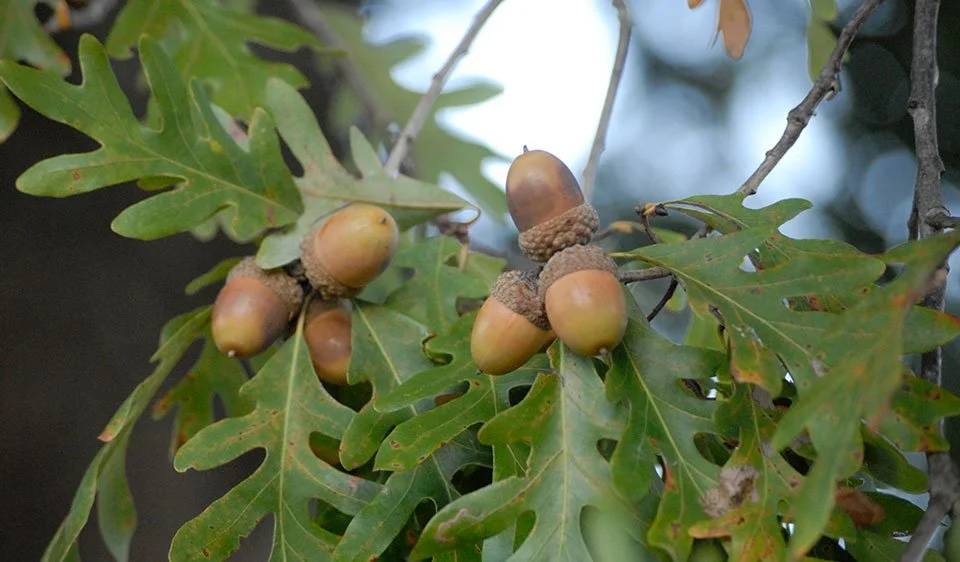
These are White Oak leaves and their acorns
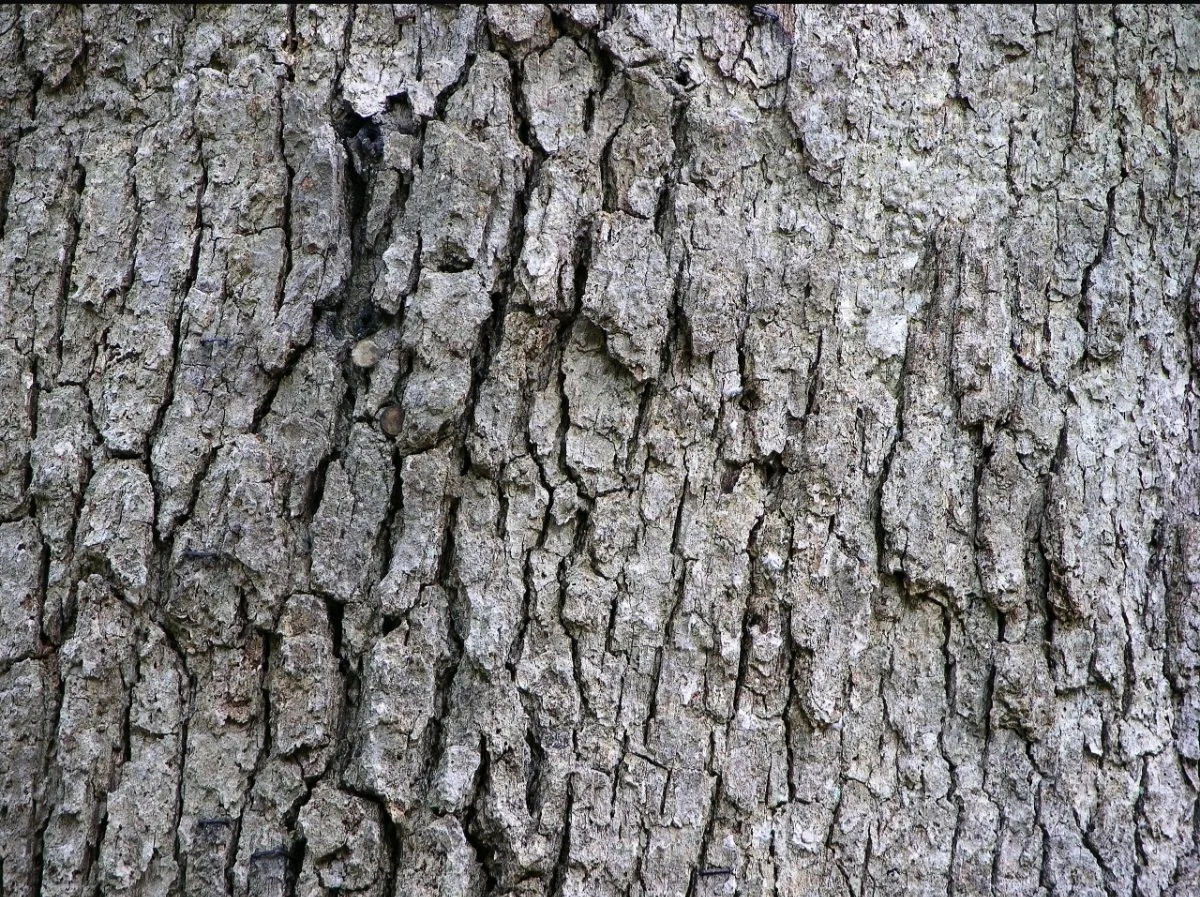
White Oak tree bark
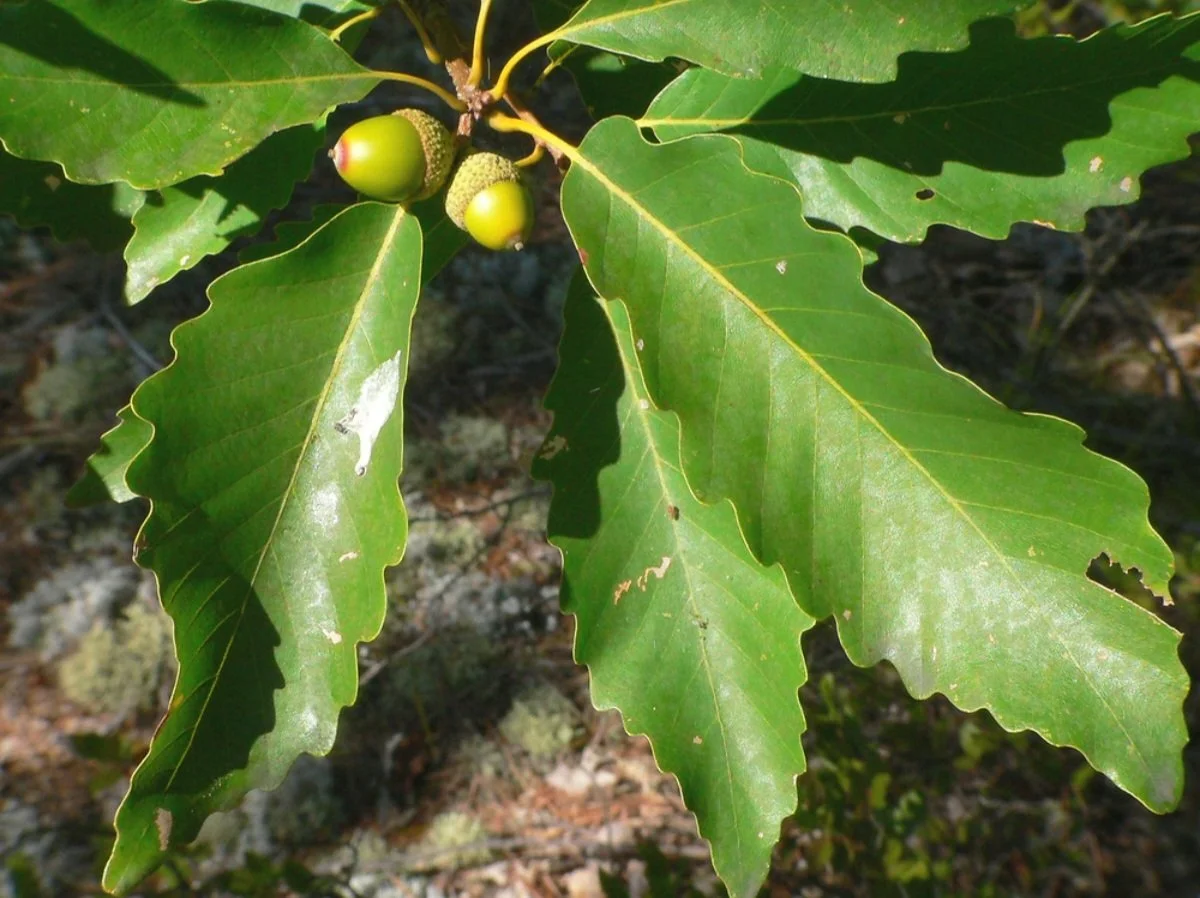
Chestnut Oak leaves and their acorns
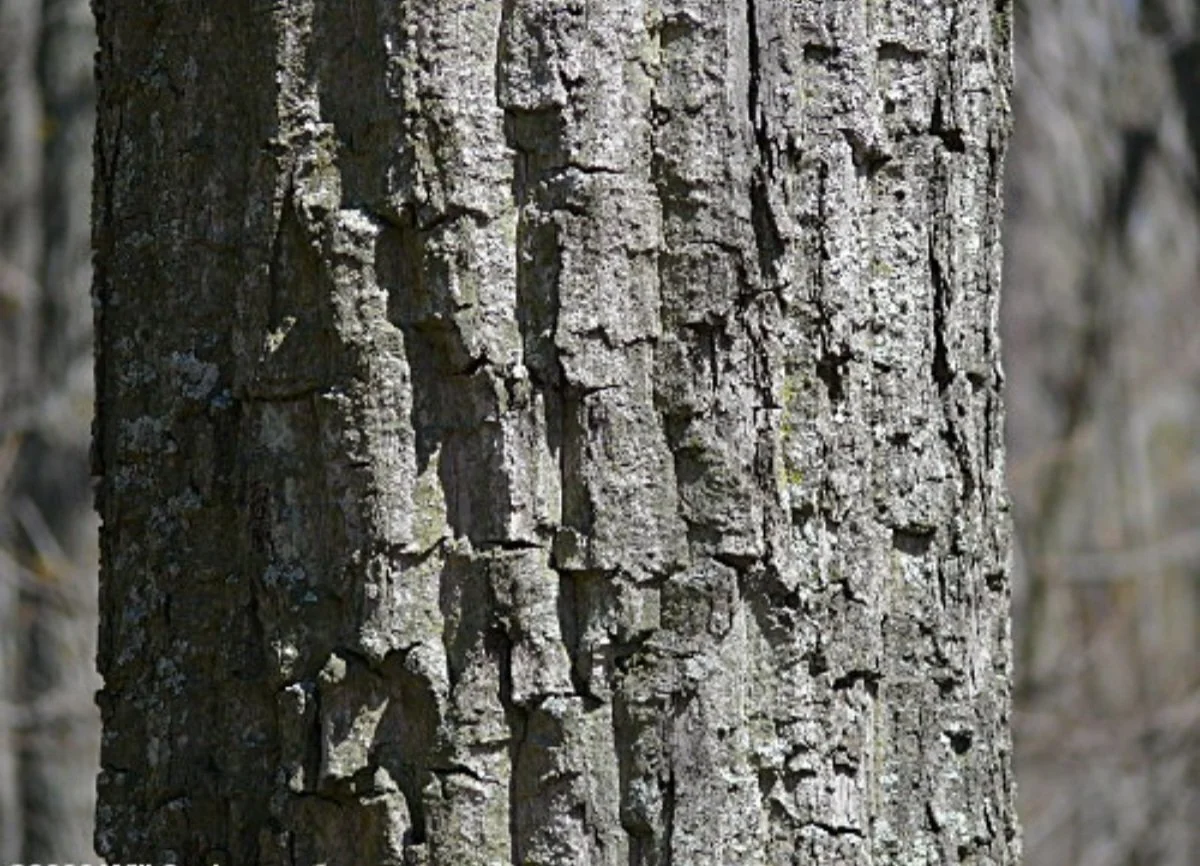
Chestnut Oak tree bark
Hopefully these pics will help you find what you're lookin for. If not, maybe you need a new glasses prescription 🤔…
Either way my fellow hunters, good luck out there and always remember to make sure you have your bow release with you when you head into the woods. I've heard lots of stories about hunters forgetting them at home or in the truck…I always clip mine on my bow string whenever I take it off.
