Reading Buck Rubs the Hard Way
First Thing — A Rub Is Not a Trophy
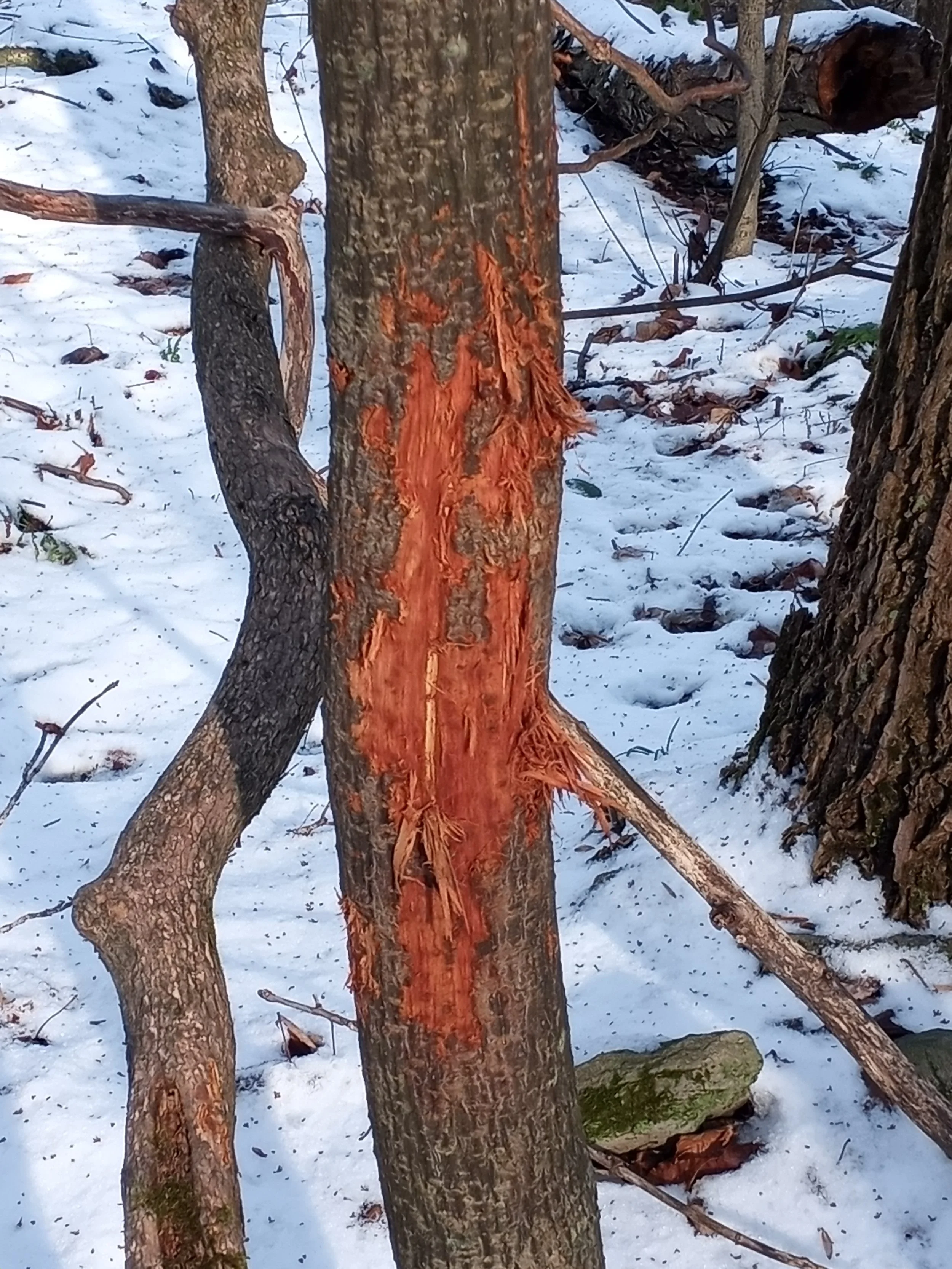
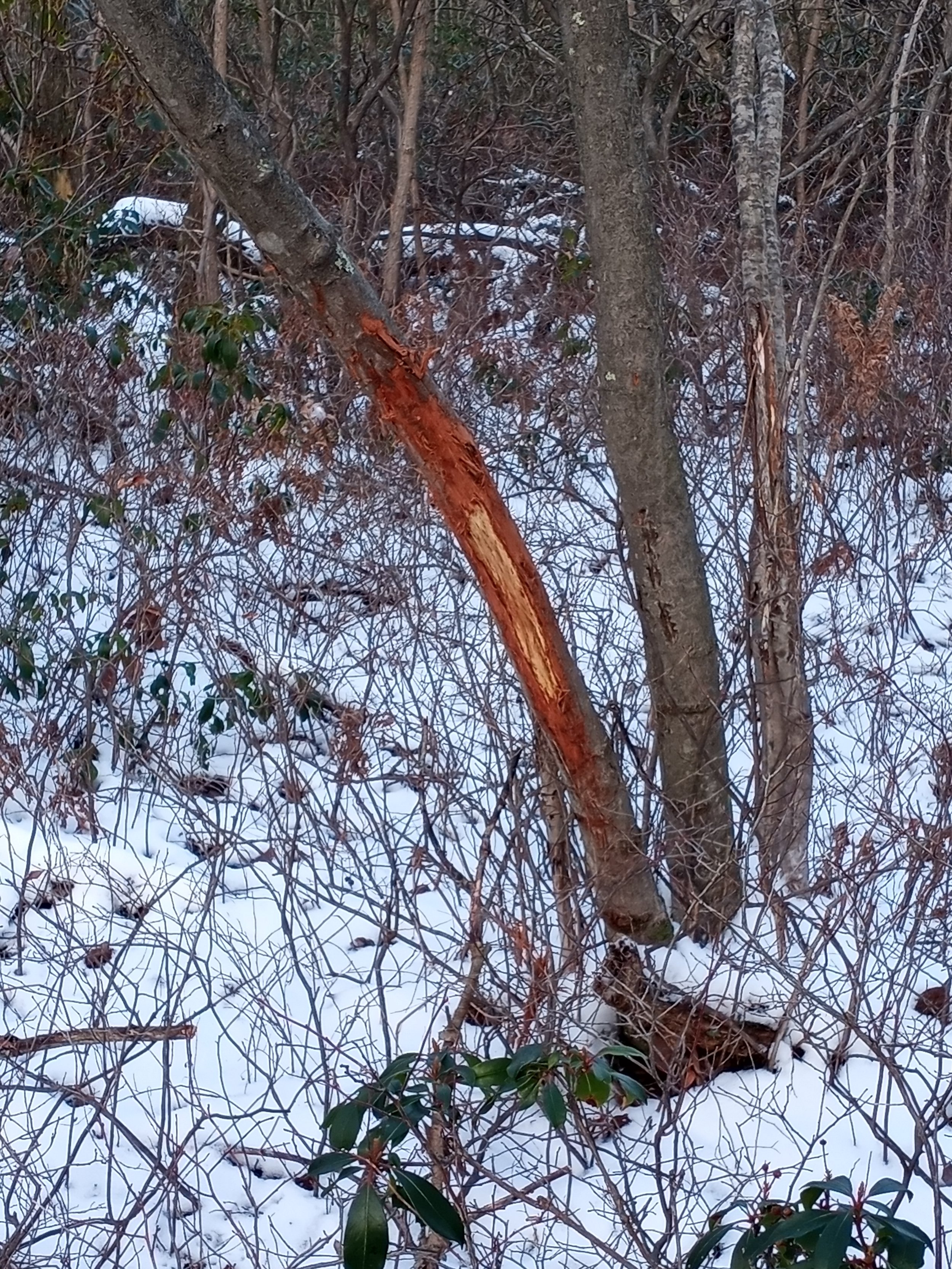
I used to treat every fresh rub like I just found buried treasure. Shiny bark on the ground, sap still wet, heart rate up. Truth is, a rub doesn’t mean a big buck is living there. It means a buck was there once, probably in daylight, probably passing through. Rubs are clues. Not proof. Same as tracks in snow or a single camera pic at 2:47 a.m. You stack enough clues together, then you start learning something.
What Size Buck Made the Rub?
This is where guys get sideways. Big rub doesn’t always mean big buck. Small bucks will absolutely wreck a tree if the angle’s right or they’re fired up. That said, there are some tells.
Rub Height Matters
If the rub starts knee-high and goes up to chest level with deep gouges, odds are better it wasn’t a yearling. Shoulder height rubs usually mean a buck with some body to him. Especially if the bark is peeled clean and the tree looks abused. Low, waist-high rubs on saplings the size of a broom handle? Could be anything with antlers and an attitude.
Tree Size Tells a Story
Big bucks don’t need big trees — but they like them. When I start seeing rubs on wrist-thick trees snapped, twisted, or rubbed on multiple sides, that gets my attention. Especially when there’s more than one nearby. One rub is noise. Clusters are conversation.
Rub Lines vs Random Rubs
This is where rubs actually start helping you kill deer.
Random Rubs
Scattered rubs all over a hillside or ridge usually mean cruising. Rut activity. Bucks wandering, scent checking, blowing off steam. Good sign — but tough to hunt unless you know how they’re entering and exiting. I don’t hang a stand just because I found random rubs. I mark them, note the terrain, and keep walking.
Rub Lines (Pay Attention Here)
Rub lines are different. When you see rubs spaced 20–50 yards apart, all facing similar directions, you’re probably looking at a travel route.
Key thing most people miss:
●👉 The side of the tree that’s rubbed usually faces the direction the buck was traveling. Not always perfect, but often enough to matter. Bucks rub as they walk, not after they pass.
When a rub line follows:
a bench
the downwind side of a ridge
a field edge inside cover
or a faint logging road
That’s not random. That’s a buck using terrain efficiently.
Where I Find the Best Rubs (Public Land Edition)
Forget the middle of wide-open timber. Most of my meaningful rubs show up in transition areas.
Edges Inside the Woods
I’m talking timber meeting:
clear-cut
laurel
briars
pine
CRP
old blowdowns
Bucks love edges they can move through without being seen. If you’re comfortable walking there, you’re probably not where the best rubs are.
Leeward Ridges and Benches
Classic, but still true. Bucks traveling with the wind hitting them in the face or quartering is no accident. I’ve followed rub lines along benches that disappear into nothing — then pick back up 80 yards later right where the terrain tightens. That’s usually where I slow way down.
Timing Matters More Than the Rub Itself
A fresh rub in October means something different than a fresh rub in November.
Early season rubs are often:
territorial
patternable
close to bedding
Rut rubs can be anywhere and everywhere. Still useful, but tougher to lock down. If I find a fresh rub within bow range of thick bedding cover, especially on public, that’s one of the few times I’ll set up fast.
What Rubs Won’t Tell You
This one took me a while to accept.
Rubs will NOT tell you:
how big the rack is
what time the buck moves
how many bucks are using the area
Trail cams, tracks, and observation fill those gaps. Rubs just point you in the right direction.
Final Thoughts:
I don’t hunt rubs. I hunt what rubs are connected to. Terrain. Cover. Wind. Direction of travel. Pressure. If a rub fits into all of that, it matters. If not, it’s just a tree that had a bad day. Most of the rubs that taught me the most were the ones I didn’t hunt — just followed, learned from, and remembered for next season. And yeah… I still stop and look at every fresh one. Old habits die hard. I never ran across the fella that made these. There were several trees rubbed within a 100yd circle. This was one of those long hike in spots, that never payed off? He probably heard me eating Doritos up in my stand🤔. Or possibly streaming YouTube videos on a long boring slow day sit… OH well, better luck next time DIY'ers. Till we meet again, stay warm out there… Feel free to leave a comment below, thanks.