
Anatomy of a Whitetail 8: Love In The Keystone State
A Whitetail Guide to "The Rut" and the Long Wait
If you’ve ever driven through Pennsylvania in November and thought, "Is that deer trying to fight my Subaru?"—congratulations, you’ve witnessed the Rut.
In Pennsylvania, the whitetail breeding season is less of a romantic candlelit dinner and more of a chaotic, hormone-fueled frat party that takes over the woods from late October through early December. Here’s the breakdown of how PA deer go from "Netflix and Chill" to "Fawns in the Ferns."
The Rut: When Bucks Lose Their Minds
The peak of the breeding season in PA usually hits around mid-November. This is triggered by a "photoperiod," which is a fancy scientific way of saying the days are getting shorter and the deer are panicking about it.
During this time, the bucks—bless their hearts—essentially turn into that one guy at the gym who drinks way too much pre-workout. Their necks swell up, they stop eating, and they spend their days rubbing their heads on trees like they’re trying to win a wrestling match against a sapling.
Fun Fact: A buck in the peak of the rut can lose up to 25% of his body weight. He is so focused on finding a doe that he forgets how to be a deer. He’ll walk across a highway, stare at a tractor-traitor, and think, "Is that a girl? I bet that's a girl."
The Doe’s Narrow Window
While the bucks are out there acting like idiots for weeks, the does (the ladies) are much more sensible. A doe is only in estrus—receptive to breeding—for about 24 to 72 hours.
If a buck misses that window? He’s out of luck until the "secondary rut" about 28 days later. It’s the ultimate high-stakes dating game. If she isn't impressed by his tree-rubbing skills or his ability to grow points on his head, she simply moves on, leaving him to mope in a thicket.
Gestation: The 200-Day Waiting Room
Once the deal is sealed in November, the Pennsylvania woods quiet down, and the does begin the long haul. The gestation period for a whitetail deer is approximately 200 days (give or take a week for the drama).
The Math of Motherhood: If a doe is bred on November 15th, you can expect a "fawn drop" around early June.
During these seven months, the doe isn't just sitting around eating clover. She’s surviving a PA winter, which, as we know, can feel like living inside a freezer with a broken door. While the buck is recovering from his "rut-hangover," the doe is doing the heavy lifting of growing one, two, or—if she’s overachieving—three fawns.
Fawn Season: The Spotted Arrival
By late May or June, the fawns arrive. They weigh about 6 to 8 pounds—roughly the size of a Thanksgiving turkey, but significantly cuter and much worse at sitting still.
The Scentless Strategy: New fawns have almost no scent to protect them from predators. The mother will actually leave the fawn alone for hours at a time so her "adult deer smell" doesn't attract coyotes.
The "I’m Not Here" Pose: If you find a fawn curled up in your backyard, it hasn’t been abandoned. It’s just playing the world’s most intense game of Hide-and-Seek.
Summary Table: PA Breeding Timeline
Event Timing Vibe
The Rut Mid-November Absolute chaos; bucks forget how to eat.
Gestation ~200 Days Quiet survival; mostly involves eating frozen corn.
Fawn Birth Late May / June High
So, next time you see a buck chasing a doe across a cornfield in November, just remember: he’s on a 200-day countdown to becoming a deadbeat dad, and she’s about to spend the next seven months preparing for the world's cutest, spottiest roommates.
Final Thoughts:
If you ever hear Barry White blaring through the PA Mountains in early Nov. be considerate and give the deer a little privacy…🤭 Until we meet again my fellow DIY'ers. Be careful out there and good luck. Feel free to leave comment below.
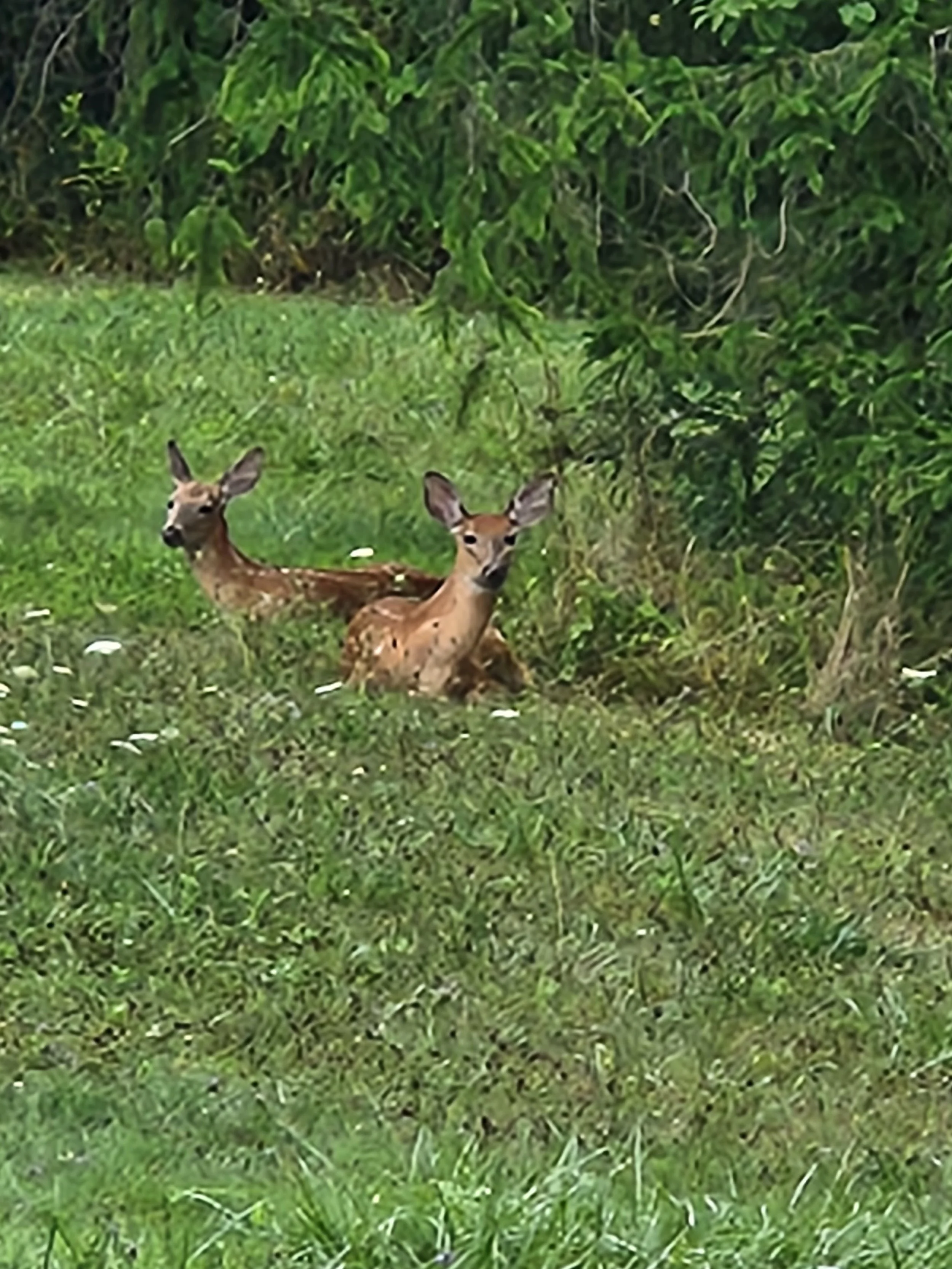
Fawns—small, spotted newborns—are born late spring to midsummer. Their spots and stillness in tall grass hide them while mothers return briefly to nurse, keeping scent and movement low. They grow quickly: spots fade in months, they follow the doe on more feeding trips, and learn herd behavior. Knowing fawn timing and habits helps public-land hunters and stewards find bedding areas, set mobile stands responsibly, and manage habitat for healthy recruitment.
Blair County Twins…
